

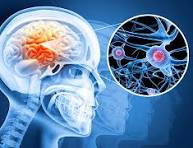
How to Escape your Brain Damage Publish Date : 12/09/2026

How to Escape your Brain Damage
Dr. Divyanshu Sengar and Mukesh Sharma
-
Why you need to start at 40 to protect your memory at 70
Brain damage can build silently through midlife. Doctors say controlling cardiac & metabolic risks can be a shield against dementia
The best time to protect your memory may not be when you start forgetting things, but decades earlier. A 52-year-old executive with a family history of late-onset dementia had no cognitive complaints at all. A routine health check revealed borderline hypertension, high LDL cholesterol, and early insulin resistance. Markers of a deskbound lifestyle that isn’t alarming. He was asked to go on daily brisk walks, switch to a fibre-rich diet with lean protein, and take BP and lipid-lowering therapies. Over the next three years, his parameters normalised. Dr Sudhir Kumar, who treated him, says, "We framed his midlife health as proactive brain protection, offering structured intervention."
The neurologist at Apollo Hyderabad said memory decline and unaddressed small vessel ischemic disease build up over decades when they aren't addressed at the point of onset or soon after it, leading to "structural neuronal damage", which directly impairs brain function. This is how dementia takes root decades earlier.
Window of opportunity
That's why midlife is the true window of opportunity where neuroinflammation and metabolic strain are actively developing, yet still modifiable or reversible. "Addressing systemic risk factors during one's 40s and 50s shields the brain's vascular network long before clinical symptoms manifest, proving that early, targeted action preserves cognitive reserve for the decades ahead. After all, dementia is a disease, not an inevitable consequence of ageing," says Dr Kumar.
The 2024 Lancet Commission identified 14 potentially modifiable dementia risk factors, including hypertension, high LDL cholesterol, diabetes, obesity, physical inactivity, smoking, excessive alcohol intake, hearing loss, untreated vision loss, depression, social isolation, air pollution, brain injury and lower educational attainment.
Alzheimer's disease, the most common cause of dementia, can begin years, even decades before symptoms appear. Two proteins, amyloidal-beta and tau, accumulate in the brain, disrupting neuron connections and eventually causing brain cells to die, says Dr Kumar. The hippocampus, crucial for forming new memories, is among the areas affected first. So, short-term memory problems can be an early warning sign.
NO-BRAINERS FOR BETTER COGNITION
- Check BP, blood sugar, cholesterol regularly
- Do at least 150 mins of moderate physical activity every week
- Maintain healthy weight, avoid prolonged sitting
- Eat lots of veggies, fruit, whole grains, pulses, nuts and lean protein
- Avoid tobacco, limit alcohol
- Treat hearing, vision issues. Don't dismiss them as signs of ageing
- Seek help for depression, loneliness or social withdrawal
- Address insomnia, snoring and possible sleep apnoea
- Learn new skills, read, solve problems
- Keep friendships alive, participate in community activities
14% higher incidence of all-cause dementia in those with midlife high cholesterol
45% of dementia cases could likely be prevented or delayed globally if modifiable risk factors are addressed, says 2024 Lancet Commission on dementia
Cogs & wheels of brain health
Brain health is a life-course issue, not something to worry about after retirement, doctors say. "Good sleep is another important piece of the puzzle," adds Dr Manjari Tripathi, head of neurology at AIIMS Delhi, highlighting the need to address insomnia and obstructive sleep apnoea. "During deep sleep, the brain's glymphatic system helps clear out toxic proteins and chemicals that build up during the day."
Heart health is also an investment in brain health as many of the risk factors overlap, stresses AIIMS cardiologist Dr Ambuj Roy. "The brain depends on a healthy blood supply. Over years, high BP can damage the brain's small blood vessels, causing tiny strokes that can gradually affect memory and thinking."
A 2026 study published in Alzheimer's & Dementia; involving nearly 3,000 older adults across five cohorts, found that hypertension was linked to changes across 47 of the 48 white-matter pathways examined, with the strongest link seen in the fornix, a memory pathway. White matter forms the brain's communication network. "So, people should pay attention to heart health from early adulthood itself," says Dr Roy. Vision and hearing are among the main ways the brain receives information, so they matter just as much, believes Dr Tripathi. "If hearing or vision is impaired at the very first stage, the brain's ability to receive information can be affected."
India has a bigger challenge
But western trends cannot be applied to India, stresses Dr Lancelot Mark Pinto, a pulmonologist and epidemiologist from PD Hinduja Hospital, Mumbai. "As Indians tend to develop diabetes, hypertension and heart disease at younger ages, they may be exposed to these risk factors for a longer period," he says. India needs to focus on earlier screening for diabetes and hypertension. "Inactivity, obesity and air pollution are becoming increasingly important concerns," he says, calling for walk able streets, cleaner air, and stronger tobacco-control measures.
"Dementia prevention," Dr Pinto says, "cannot be left to hospitals alone." Underlining the need for better quality of life, not just at home but in access to public places and conveniences — something many Indian cities lack in — Dr Pinto adds, "City planning, public transport, opportunities for sport and physical activity, education and efforts to reduce social isolation among older people can all play a role."
"Studies have linked the shingles vaccine to lower dementia risk, possibly because keeping the virus dormant changes immune response and cuts brain inflammation. But there's no strong evidence to recommend it for dementia prevention"
Baker's yeast can retrain immune cells, fight cancer
A yeast-based dietary supplement may help restore the immune system's cancer-fighting ability, researchers from Dublin have found, reports News Medical. Mice studies, published in Cell journal, showed that yeast beta-glucan reprogrammed early immune cells in the bone marrow, triggering stronger and longer lasting anti-tumour responses against colorectal, skin and breast cancer cells, especially in obese mice, where it appeared to reverse immune dysfunction that persisted even after weight loss.
Which One is Healthier?
|
Rajma |
bowl |
Matar paneer |
|
170 – 210 |
CALORIES |
250 – 320 |
|
10 – 12 g |
PROTEIN |
11 - 14g |
|
28 – 34g |
CARBS |
14 - 20g |
|
8 – 10g |
FIBRE |
4 - 6g |
|
1 – 3g |
FAT |
16 - 22g |
|
60 – 80mg |
CALCIUM |
200 - 300mg |
Rajma is a healthy plant protein, with good amounts of fibre and foliate to aid gut health. It's lower in calories and fat than matar paneer, and provides better satiety and glycaemia control. But matar paneer has an edge on calcium, vitamin B12, and is a higher-quality, complete protein meal with peas, provided the paneer quality is good. Both rajma and matar paneer have a low to moderate glycemic index, making them work for those struggling with weight issues. However, both can be disturbing for people prone to digestive disorders - rajma, owing to some sugars, and dairy owing to casein (milk protein) in those who are sensitive. Soaking & discarding the water before cooking can greatly cut fermentable sugars in rajma. However, those with gluten intolerance need medical advice before consuming.
Writer: Dr. Divyanshu Sengar, the Medical Officer, Pt. Pyare Lal Sharma District Hospital Meerut.


