
AGEING GRACEFUL LYCOVERSTORY Publish Date : 21/01/2026

AGEING GRACEFUL LYCOVERSTORY
Professor R. S. Sengar and Others
It was on 19 August 1988 that US President Ronald Reagan signed Proclamation 5847, declaring August 21st as National Senior Citizens Day. India celebrates this day to show appreciation for the dedication, accomplishments and services that seniors have offered all through their lives. The United Nations celebrates October 1 every year as the International Day of Older Persons in order to raise awareness about the challenges and opportunities for seniors.
The 2025 theme focuses on the role older persons play in creating resilient, sustainable societies. OLD age is the last stage of human life. The World Health Organization (WHO) refers to older people at 60 years of age. However, old age is often considered to be after the age of 65. Age is more than just a number. No matter the number of birthdays you have celebrated, your overall health depends on your spirit and vitality of your cellular matrix.
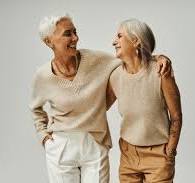
Ageing gracefully is an art more than science. You can sketch your own panorama of old age by adopting healthy lifestyle choices, remaining social, amicable and seeking medical care when needed.As reported by the WHO in 2024, the pace of the ageing population is much faster than in the past. Between 2015 and 2050, the proportion of the world's population over 60 years will nearly double from 12 to 22 per cent. Most people expect to live up to 60 years and beyond. According to World Population Prospect 2022: Release note, the number of persons aged 80 years or older is expected to triple between 2020 and 2050 to reach 426 million (42.6 crores).
Process of Growing Old
Ageing is normal; it is not a disease. It is a process of becoming older until death. The simplest example is that of a machine, which has been used for many years. The years of continual use of the machine bring up working issues. Similarly, in a human machine, there occurs an accumulation of molecular and cellular damage over time, leading to a gradual slowdown in physical and mental capacity. Risk of diseases hovers around and the risk of an untimely death is also unavoidable.
The ageing process is characterized by a gradual decline in the body's ability to repair and maintain itself, leading to a decrease in overall health and function. Physical changes like wrinkles, grey hair, loss of muscle mass, bone density. vision, hearing changes, etc., show with age. These are accompanied by cognitive decline such as loss of memory, slower processing speed and slow reflexes. Old age brings about the most unwanted emotional changes affecting social interactions.
Genetic factors, environmental factors, and lifestyle choices all influence the risk of diseases and ultimately affect longevity. In addition, socioeconomic status, physical activity, living conditions, friends and family, affect both mortality and biological ageing. Ageing is also linked with life transitions such as retirement, relocation to a new place, death of friends, spouse or partner.In the human body, ageing occurs at three levels. At the cellular level, ageing causes cellular damage, including damage to the DNA structure. At the molecular level, changes occur in gene expression, protein function and metabolic processes that contribute to the ageing process. As you age, there is a decline in the function of various organs and systems such as the cardiovascular, musculoskeletal and nervous system.
"Ageing is normal; it is not a disease. It is a process of becoming older until death. The simplest example is that of a machine, which has been used for many years."
Biological Ageing v/s Chronological Ageing
People have built an image of an old person in their minds. Older people are often assumed to be frail, dependent or a burden to society. However, there is no typical older person. Some 80-year-olds have physical and mental capabilities similar to 30-year-olds. As against that, there are several younger individuals who experience a decline in their mental and physical capacities. Interestingly, some people appear young even at an older age, while others seem to age faster. What you count is the chronological age; years after you are born till today. "Epigenetic age" is the biological age, which tells you the internal functioning at the physical, molecular and cellular level. Ageing impacts all biological systems, including organs, tissues, cells and their molecular components. Biological ageing does not always match the chronological age. For example, in some people, epigenetic age may be much more than the age number. The cells, tissues and internal systems may have aged faster than usual. In others, the internal matrix would remain young even at an older age. The process varies with every individual.There are several internal and external factors that influence the progression of ageing. Besides the genes that play a major role in one's ageing process, external factors such as stress, pollution, the environment in which you have lived as a child, personal characteristics, sex, socioeconomic status, etc., affect the ageing process.
"Interestingly, some people appear young even at an older age, while others seem to age faster. What you count is the chronological age; years after you are born till today."
Geriatric Syndrome
Ageing is associated with several complex health conditions that can afflict at the same time. These are medically termed as a geriatric syndrome. The most common complaints are refractive errors in the eye, cataract, hearing loss, tooth loss, osteoarthritis, osteoporosis, back and neck pain, joint stiffness, lung disease, diabetes, depression, dementia and Alzheimer's disease. Besides, multiple underlying factors can cause weakness, prostate enlargement in men, urinary incontinence, frequent falls causing fractures and ligament tears, delirium, etc. Tackling the complex health conditions in older individuals is a vast subject, and it comes under geriatric medicine. The term "geriatrics" was proposed in 1908 by IlyaMechnikov, a Laureate of the Nobel Prize for Medicine. In 1909, physician Ignatz L. Nascher from the USA coined the term geriatrics to describe the care of older people. The term geriatrics comes from Greek words "geras" meaning old age and "latrikos", which means relating to a physical healer or physician.
Insight into Geriatric Diseases
With age comes vulnerability to certain diseases, Older people face a multitude of chronic conditions, Increased risk ofadverse outcomes can occur because of multiple comorbidities and frailty. The most common comorbidities include high blood pressure and diabetes. Cardiovascular problems such as clot formation in the arteries, angina (pain in the chest), stroke, paralysis, breathlessness, respiratory illnesses concerned with the lungs all may crop up suddenly without giving a warning. Cancer can strike at any time when you least expect it. Conditions like skin problems, gastrointestinal troubles, dental issues, eye and ear problems, urinary tract infections, arthritis, allergies, etc., come and go. Older women too face health challenges, including cardiovascular disease, osteoporosis, cancer, depression and arthritis, often aggravated because of menopause related changes. Maintaining good dental hygiene is crucial in old age. Untreated gum disease and tooth infection can be dangerous for people with diabetes and high blood pressure. Teeth loss is common in old age. This can make chewing food difficult. Brushing twice a day, flossing, limiting sugary and acidic foods and drinks and getting a regular dental check-up, helps control tooth decay. Several dental solutions are available for tooth decay, root infection, gum disease, etc. Earlier, dentures were the only solution for fallen teeth in older people. But today dentists perform dental implant surgery to replace the tooth root with a metal, titanium post or screw, which acts as an artificial tooth or root upon which rests the crown, bridge or denture to replace the missing tooth.
Awareness about Geriatric Care
Health becomes unpredictable with age. Diseases may or may not strike all at one time. Aches and pains become a part and parcel of your ageing body. You have to be mentally prepared to face these health issues, as you know that your body is ageing with time. Each older person varies from the other physically and mentally, in cognitive and social functioningand hence requires care at different levels based on individual needs and functionality status. An integrated plan of geriatric care can be formulated, keeping the psychosocial assessment of the seniors in mind. Preparedness and preventive health are very important for older people. Regular whole-body checkups are a must for an early diagnosis of any minor or major disease, like cancer. This can give time for treating any ailment or disease. Heart disease in people over 65 is the major cause of death. Older individuals need regular monitoring, especially of cardiac health (Electrocardiogram (ECG), echocardiogram, stress test), blood pressure, and specific blood tests for an early diagnosis of any cardiovascular ailment. Minimally invasive procedures such as angiography and angioplasty for coronary arterial blocks can save lives. Coronary Artery Bypass Surgery (CABG - Coronary Artery Bypass Graft), a surgical procedure, can treat coronary artery disease, the buildup of plaques in the arteries of the heart.
Several procedures are now available to ease your painful knee or hip and help you stand on your feet. Robotic knee and hip surgeries, partial or total knee replacements, have made life livable for people. Exercise and physiotherapy post-surgery are important aspects of healing. Muscle building at old age is an essential part of the rehabilitation process. Weak muscle strength and a decline in bone health make older people more prone to falls and fractures than their younger counterparts. Exercises such as gait balance and functional training, Yoga, Tai Chi, Pilates, walking, etc., aid in mobility and flexibility of joints. Older people may need regular medications for chronic conditions such as diabetes, high blood pressure, painkillers, antidepressants, antiallergic medications and so on. Taking medications as per your doctor's advice is very crucial for managing diseases. It is unadvisable to stop your regular medications at any time. Talk to your doctor before making any decision regarding the medicine intake and its dosage.
"An integrated plan of geriatric care can be formulated, keeping the psychosocial assessment of the seniors in mind. Preparedness and preventive health are very important for older people."
It's all in the Mind
Mental health problems are often under-recognized and under-treated in older people. Older adults have a whole lot of experiences, both good and bad, behind them. They may have faced difficult times and may be facing stress related to ageing. A decline in functional ability can result in psychological stress. Bereavement, drop in income after retirement, children staying abroad, and a reduced sense of purpose all can affect their mental health. Social isolation and loneliness, physical, verbal, psychological or financial abuse, neglect, etc., are key risk factors for mental health conditions. Depression and dementia are common mental ailments that afflict older adults. Alzheimer's disease, a type of dementia, which is a kind of memory disorder, can be overwhelming for caretakers and family. Symptoms of Alzheimer's first appear in people older than 65. There is no cure, but medications can manage symptoms and slow their progression. Another neurodegenerative disease of older people is Parkinson's disease, which progresses with age. The initial symptoms include tremor, movements slower than expected (bradykinesia), rigidity and instability. The disease puts the older person at risk of falls and fractures. The last stages of Parkinson's disease may give rise to dementia and severe impairment of movement. This is when care becomes difficult. Medication can slow down the progress of the disease. To sustain mental health as long as you live, include mental exercises such as solving crosswords, sudoku, developing a hobby, being social, spending time with family and friends, joining a social group, meditation, pranayama, yoga, etc.
"To sustain mental health as long as you live, include mental exercises such as solving crosswords, sudoku, developing a hobby, being social, spending time with family and friends, joining a social group, meditation, pranayama, yoga, etc."
Empowering Seniors with Technology
Revolutionary changes in technology today have brought out time-changing innovations that have enhanced the quality of senior citizens' lives. Empowering an old person with the knowledge of the Internet, use of a smart watch, smart phone, desktop, laptop, iPad and know-how of troubleshooting, is needed in recent times. With the advent of Artificial Intelligence (AI), there are many smart devices such as Alexa, Google Home, Google Assistant, the Google Nest Hub and Siri, which provide immense help in setting up reminders, playing music, making calls, etc., all through simple voice commands. Remote-controlled devices are available to be set up at home. These are not a replacement for human care, but they are reliable tools in the absence of caregivers. You can be assured that your loved one is taken care of with daily tasks.
Nutritional Support
Years of research have indicated that diet and nutrition have a huge impact on physical and cognitive conditions, bone health, eye health, circulation and the immune system. As you age, your calorie requirement reduces, yet you need to get enough nutrients. Older people may need more protein, foods low in cholesterol and fat, low salt and sugar, more fiber, vitamins and minerals. Foods having empty calories, such as in chips, candy, baked foods, soda, alcohol, etc., should be avoided. Inclusion of a healthy diet with lots of fruits and vegetables, whole grains, bread and rotis made out of whole wheat, millets, brown rice, low-fat milk, soy or almond milk, milk fortified with calcium and vitamin D, beans, nuts, seeds, etc., helps in keeping good health. If you are a non-vegetarian, eating more of seafood that has omega-3 fatty acids, poultry -eggs, lean chicken and lean meat is considered healthy. Calcium and Vitamin D are essential nutrients, in addition to vitamins and minerals, for bone health. Doctors' advice: Calcium, Vitamin D3 and multivitamin supplements, including Vitamin B12, to keep your bones and body healthy.
Living Life to the Full
Maintaining healthy behaviors, eating a balanced, nutritious diet, including regular exercise such as walking, swimming, exercising your muscles, refraining from tobacco use, abstaining from alcohol abuse, maintaining proper health and hygiene are important factors that contribute to a healthy biological and chronological ageing. Make time for your hobby and do what makes you happy.The old adage "Laughter is the best medicine" relates well to the good health of seniors. But today, there are many old people who live a secluded, lonesome life, who have forgotten to remain cheerful. Choosing to live alone can be challenging at their age. Mobility boosts confidence, but for those who have trouble with their joints and muscles or who have co-morbidities that constrain them from being active, life can be depressing. The option of residing in old age homes or assisted-living facilities can present many challenges, especially when the person falls sick and faces hospitalization. The good part is that with globalization and technological developments, there has been a sea change in the lives of senior citizens. They are becoming independent and technology savvy. The Internet, AI and electronic smart gadgets have made life easier. It is true that old age comes with plenty of challenges. But these can be overcome with ease. Never regret becoming a senior citizen because it is a privilege denied to many. Live your life to the fullest, keeping in mind your limitations as you age. Be active mentally, physically and socially as long as you live.
"The old adage "Laughter is the best medicine" relates well to the good health of seniors."
Gadgets to Monitor Health
Health monitoring gadgets are imperative for older people. Assisted devices play a major role in the health and safety of seniors. Wearable devices promote the overall wellness of seniors, assisting with daily routines and offering therapeutic benefits. A few chosen ones are listed below:
- A glucometer assists in monitoring blood glucose levels in diabetic people, thus ensuring timely health intervention.
- A digital blood pressure monitor provides an accurate reading at home.
- Digital hearing amplifier improves sound clarity in the elderly with mild hearing loss, thus boosting their confidence.
- An automatic pill dispenser ensures timely and accurate doses of medications, thus preventing missed doses.
- Smartwatch with a fall detecting system and emergency alerts combined with health tracking. GPS and communication features, ensures safety. With health monitoring features such as ECG, activity level, alarm systems, etc., smart watches can become life-savers.
- An instant emergency alert system is ideal for seniors. It sends alerts to chosen contacts in case of an emergency.
- Body massager for pain relief offers comfort and relaxation.
- An electric wheelchair features battery-powered operation. It is mainly for the convenience of those seniors who have mobility issues.
- Wearable portable air purifier filters pollutants, improving respiratory health.
- Canes, walkers, grab bars for toilet support, anti-skid bathroom mats, etc., are a must for fall prevention.
Writer: Professor R. S. Sengar, Director Training and Placement, Sardar Vallabhbhai Patel University of Agriculture and Technology, Modipuram, Meerut.


